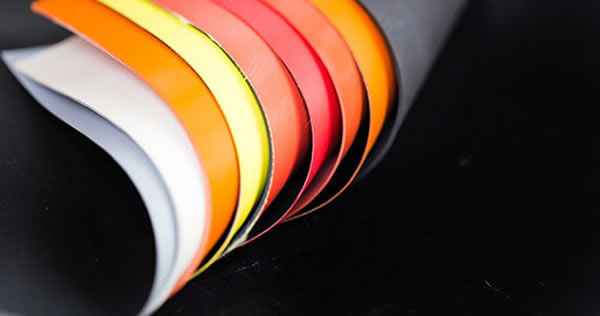
Hypalon fabric popular applications
Hypalon product application
HYPALON fabric (Hypalon) has a variety of application scenarios, mainly including the following aspects:
Wire and cable sheath and insulation layer: HYPALON fabric has good chemical resistance and high temperature resistance, and is often used in the sheath and insulation layer of wires and cables to ensure the stability and durability of wires and cables in harsh environments.
Roof waterproof layer: HYPALON fabric is weather-resistant, UV/ozone-resistant, chemical-resistant, and has low water absorption, so it is widely used in roof waterproof layers to provide long-term waterproof protection.
Automotive and industrial hoses and synchronous belts: HYPALON fabric's wear resistance and bending crack resistance make it perform well in automotive and industrial hoses and synchronous belts, ensuring stability and durability under high loads and frequent movements.
High-end bags and shoes: HYPALON fabric's high-end special functionality makes it an ideal choice for high-end bags and shoes, providing excellent wear resistance, waterproof and tear resistance.
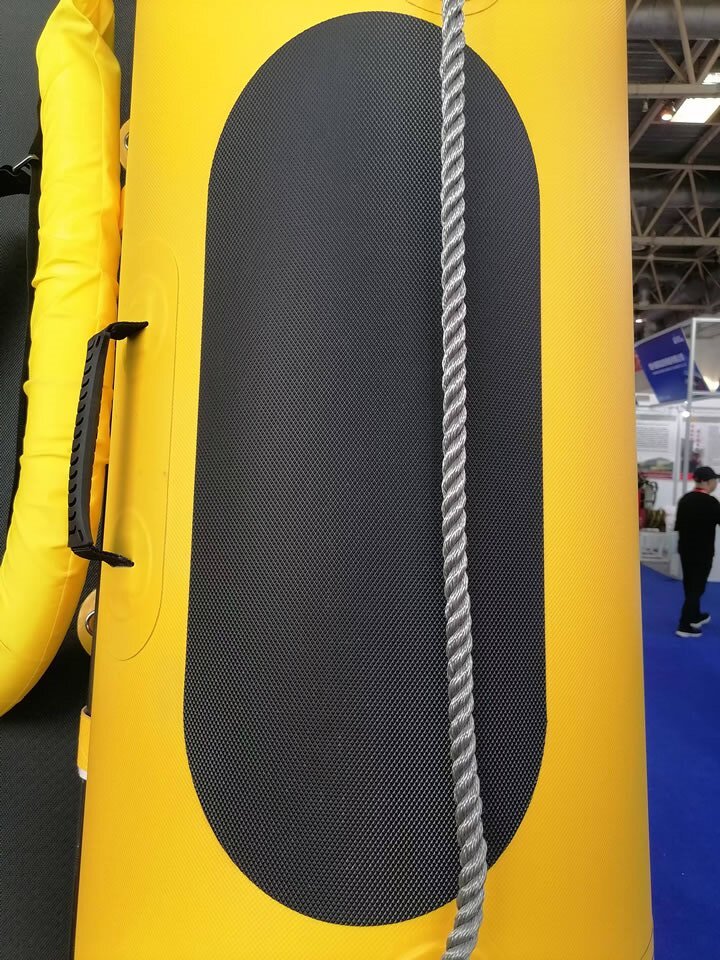
Materials for rubber boats and life-saving products: The chemical resistance and weather resistance of HYPALON fabrics make it an ideal material for rubber boats and life-saving products, providing reliable protection in harsh environments.
Fabrics for windbreakers and raincoats: Its waterproof, windproof and weather-resistant properties make HYPALON fabrics widely used in the manufacture of windbreakers and raincoats, providing good protection.
Functional fabrics for medical supplies: The antibacterial, mildew-proof and easy-to-clean properties of HYPALON fabrics make them widely used in medical supplies, such as surgical gowns, protective clothing, etc..
Rubber lamination for industrial aprons and protective clothing: Its wear resistance and tear resistance make it widely used in industrial aprons and protective clothing, providing good protection.
Inflatable rubber boat bulkhead sheet: The chemical resistance and weather resistance of HYPALON fabrics make it widely used in the manufacture of inflatable rubber boats, ensuring the durability and safety of rubber boats.
Sports shoes, snowshoes and industrial shoes: The wear resistance and comfort of HYPALON fabric make it widely used in sports shoes, snowshoes and industrial shoes, providing good protection and comfort.
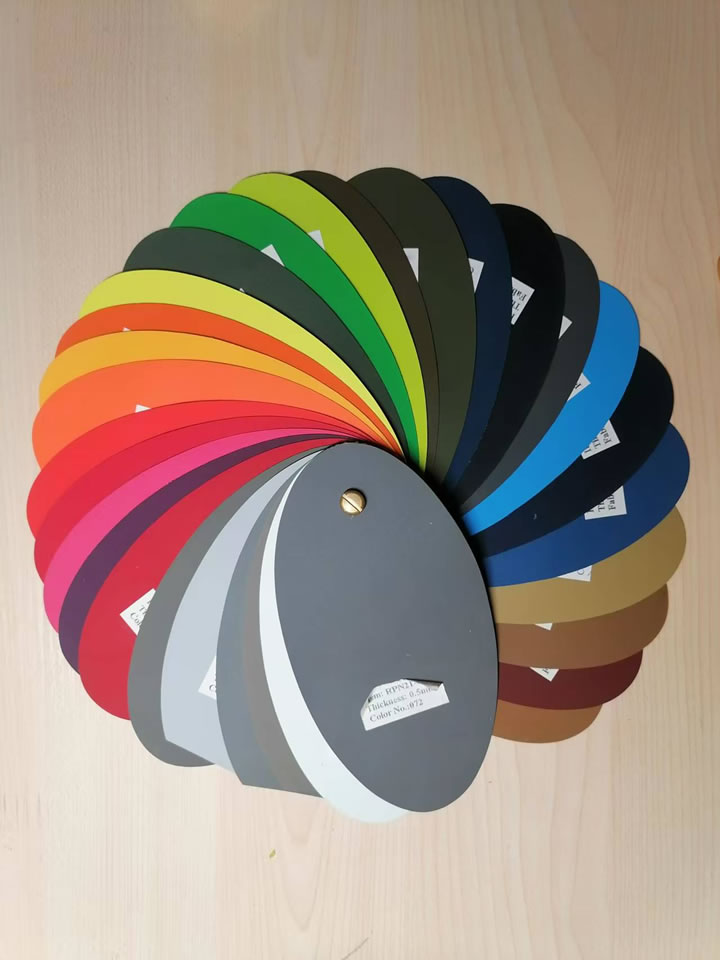
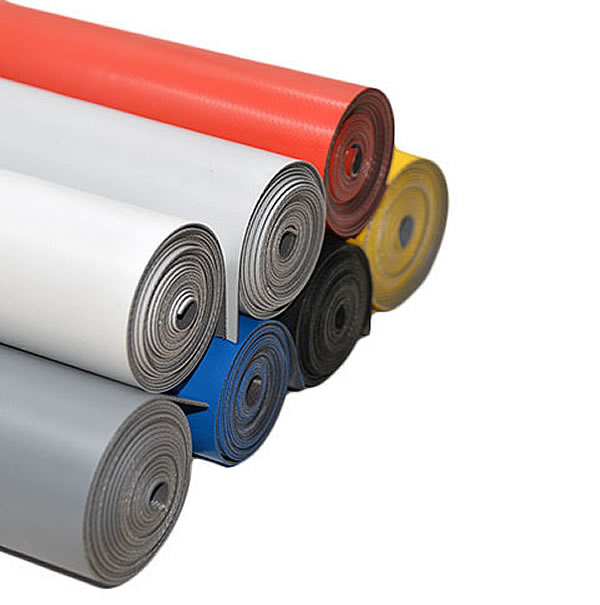
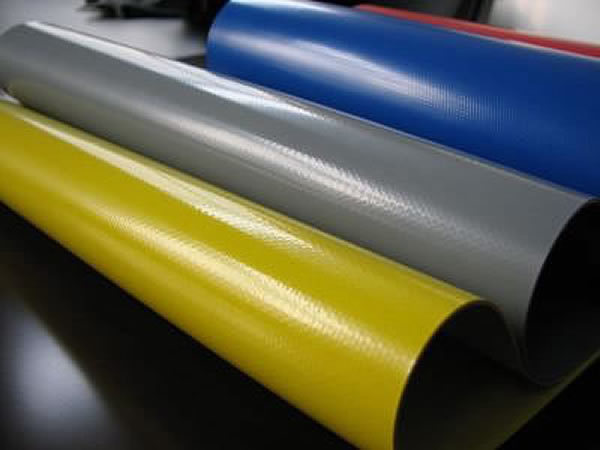
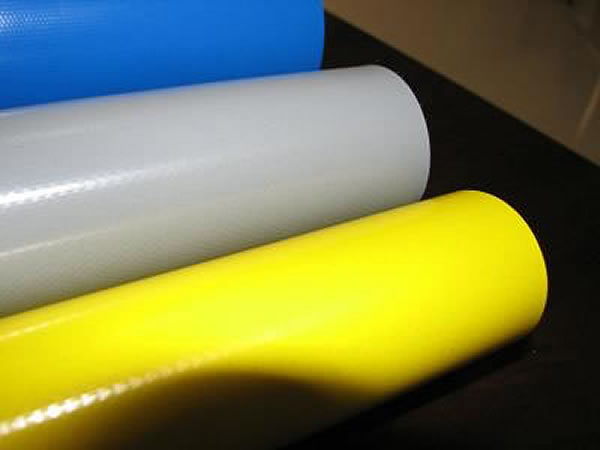
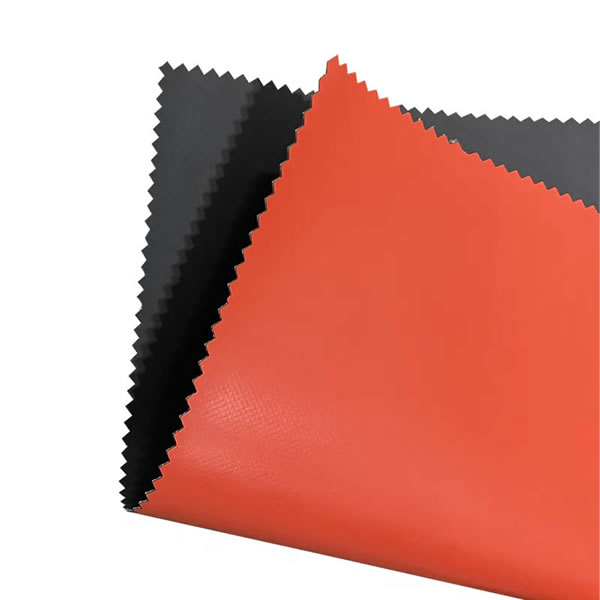
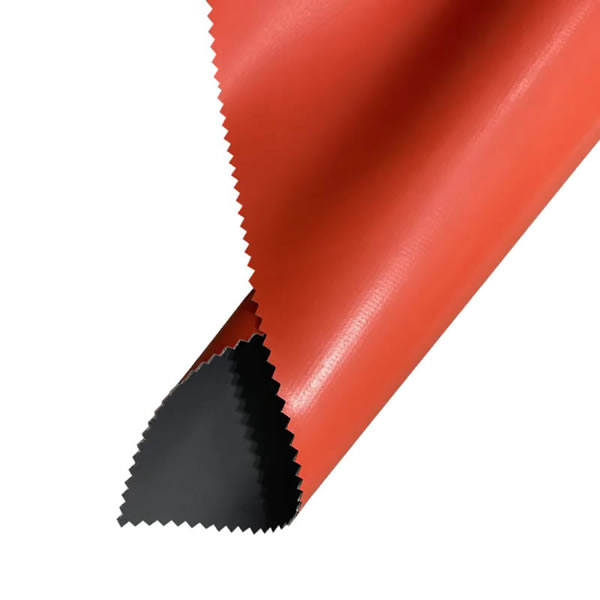
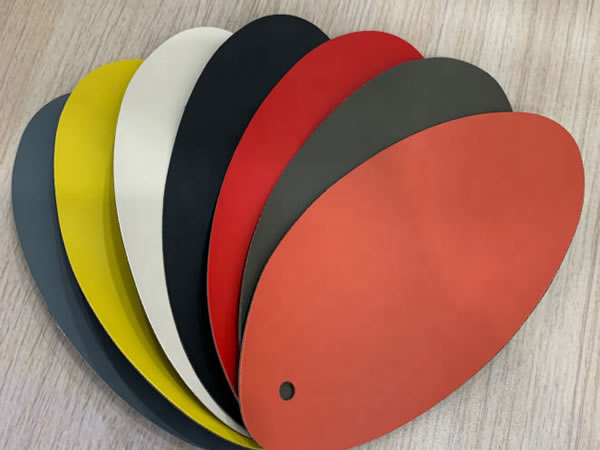
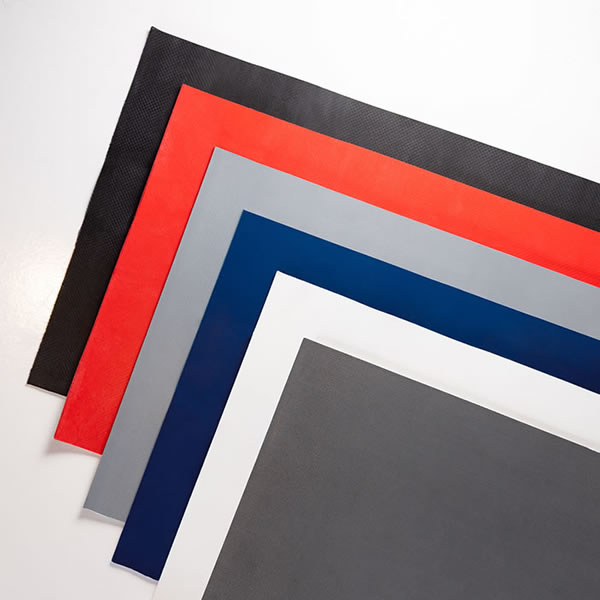
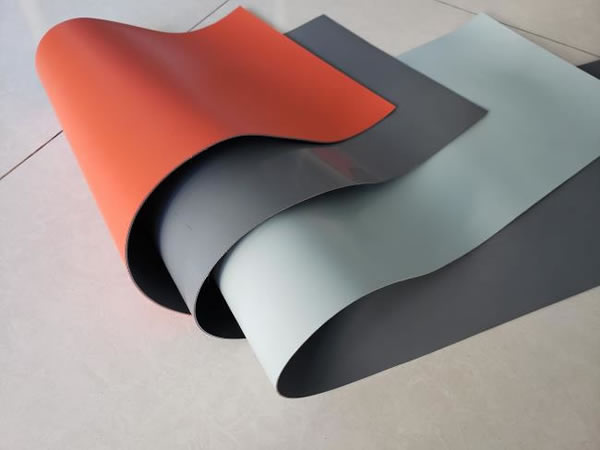
Multiple colors and thicknesses are available.
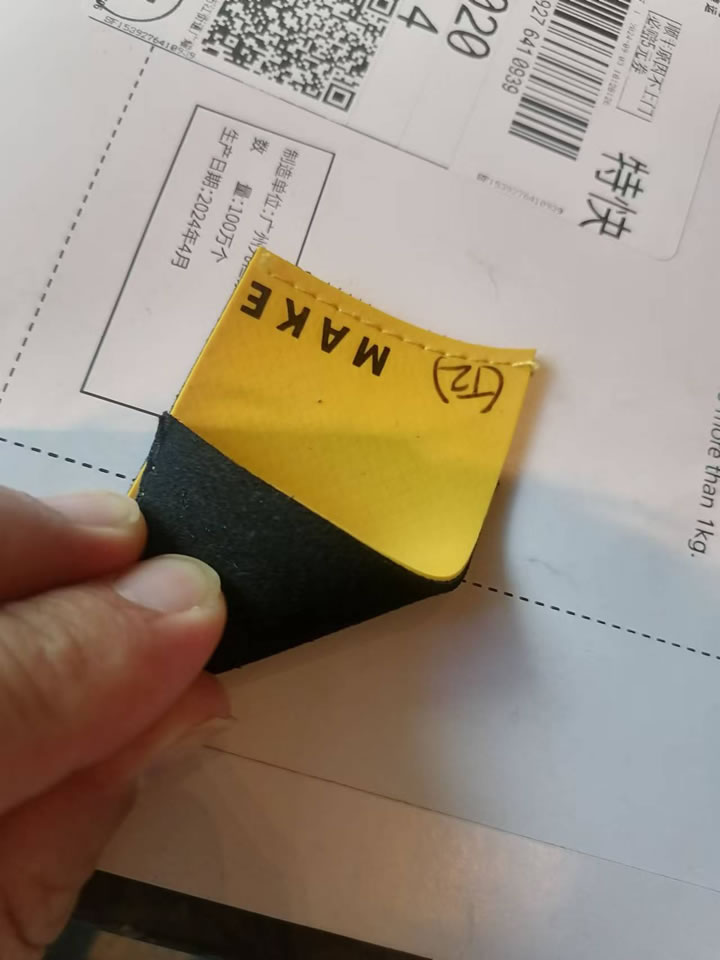
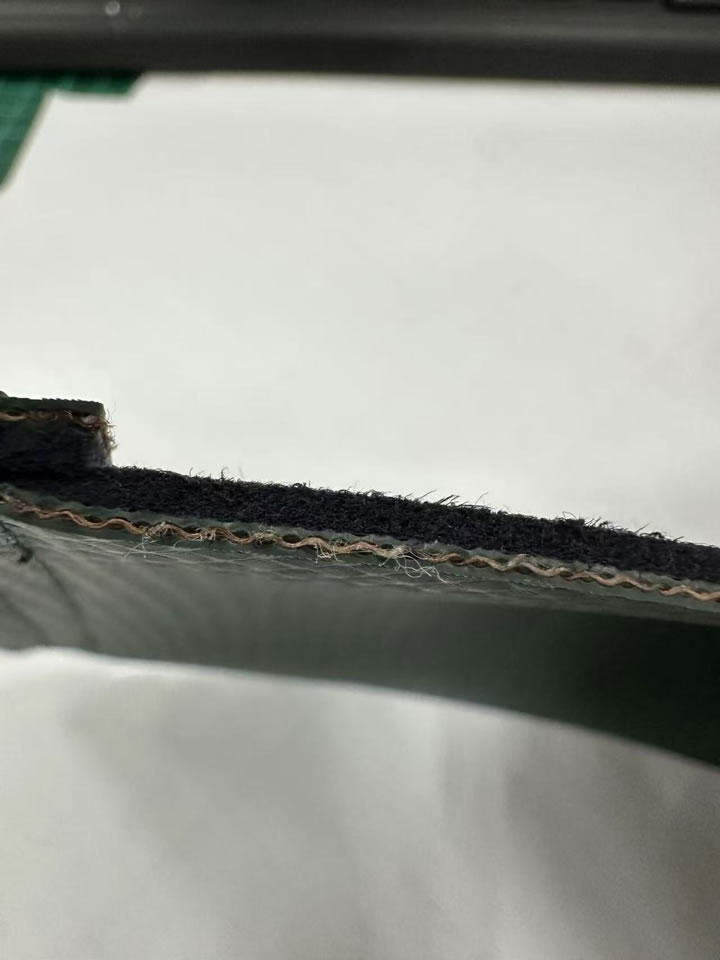
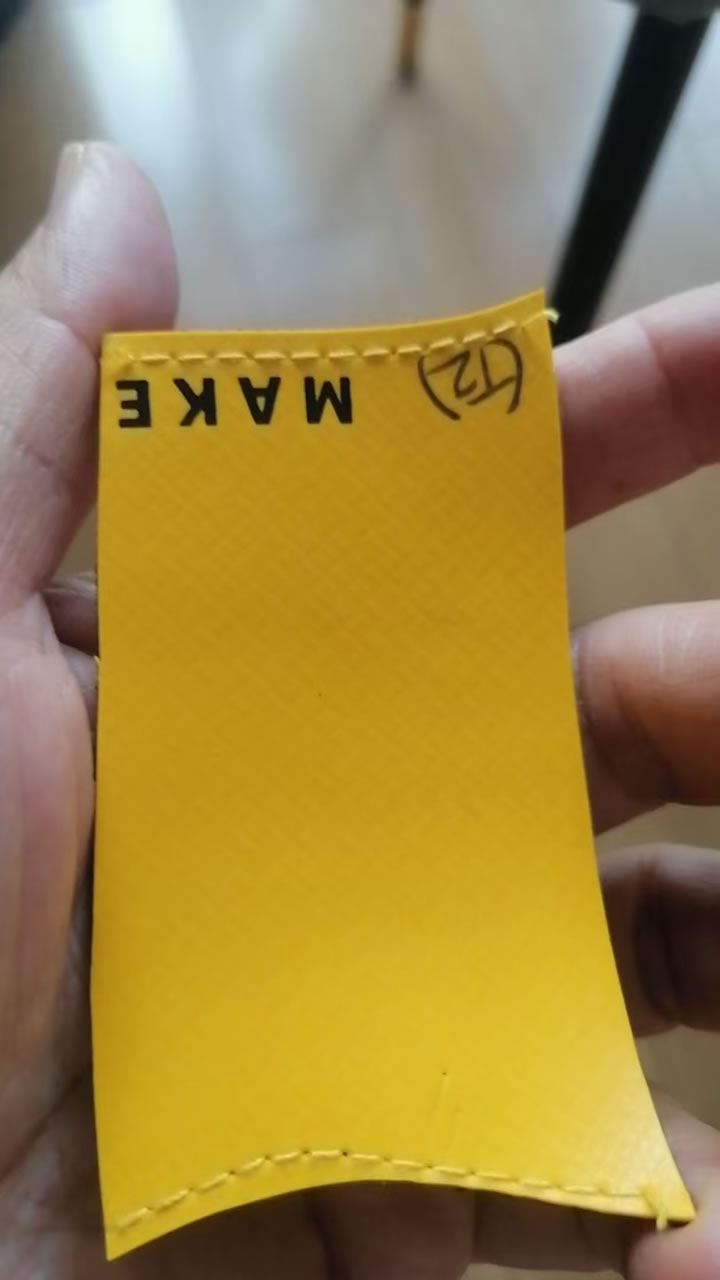
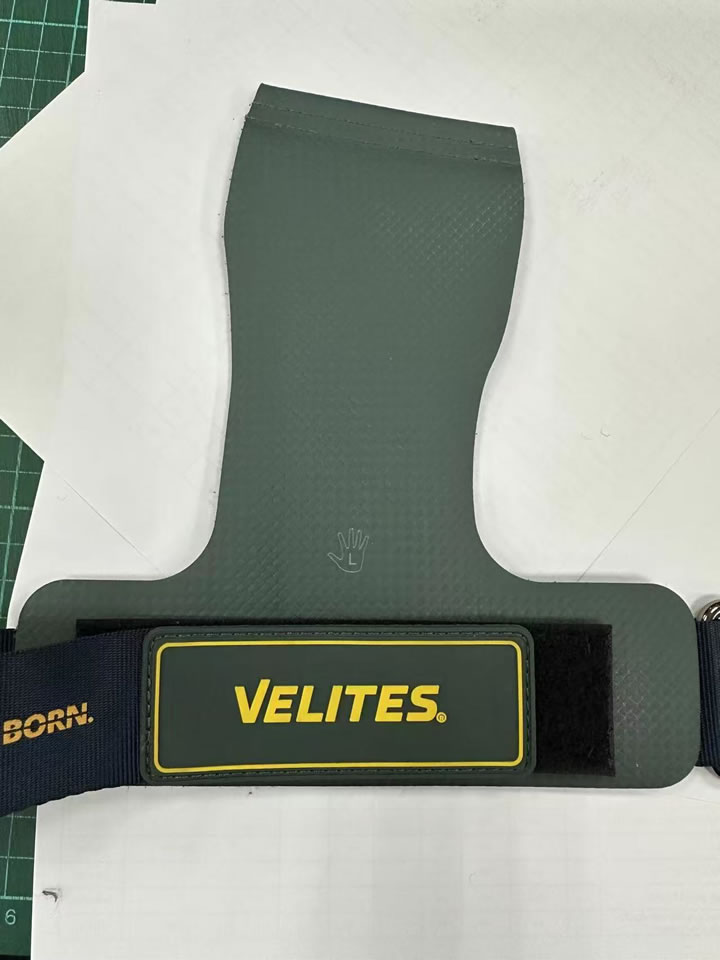
Hypalon+Microfiber: Sports Grip Application
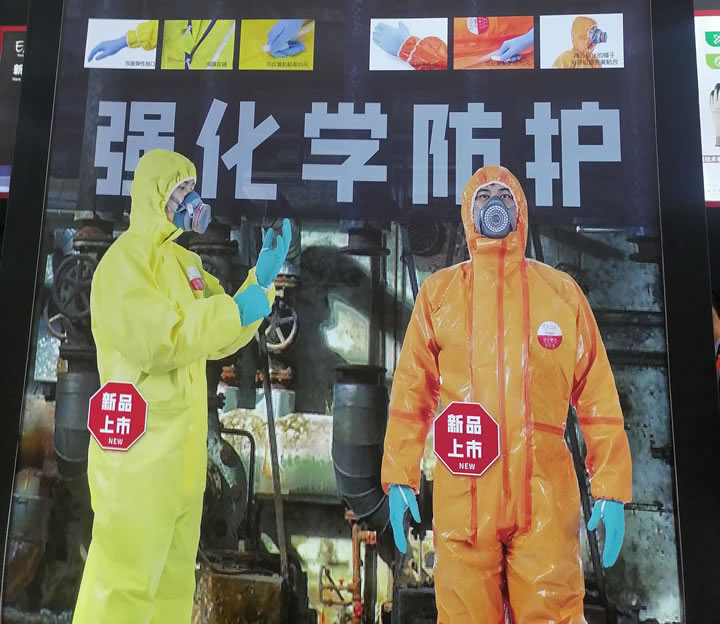
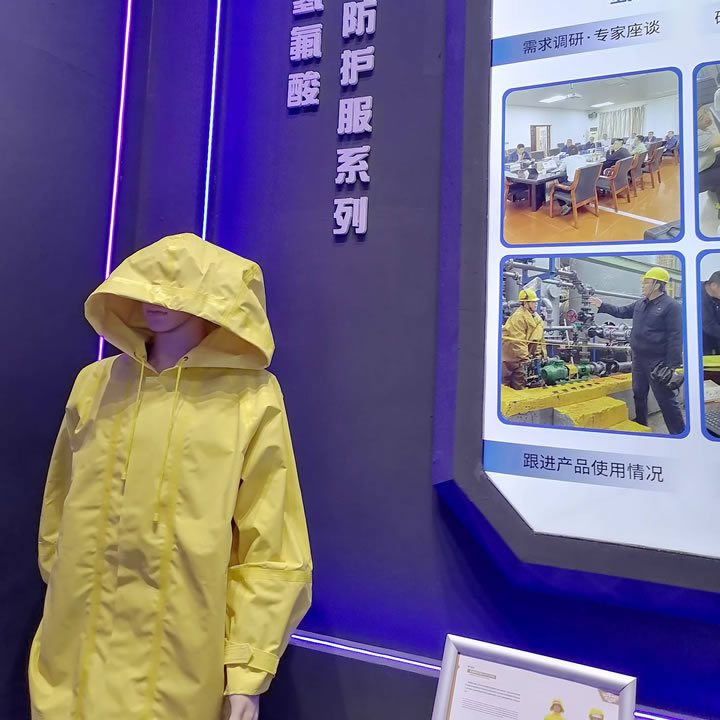
Application of Hypalon fabric strong acid and alkali protective clothing
Application of Hypalon fabric for chemical resistant clothing
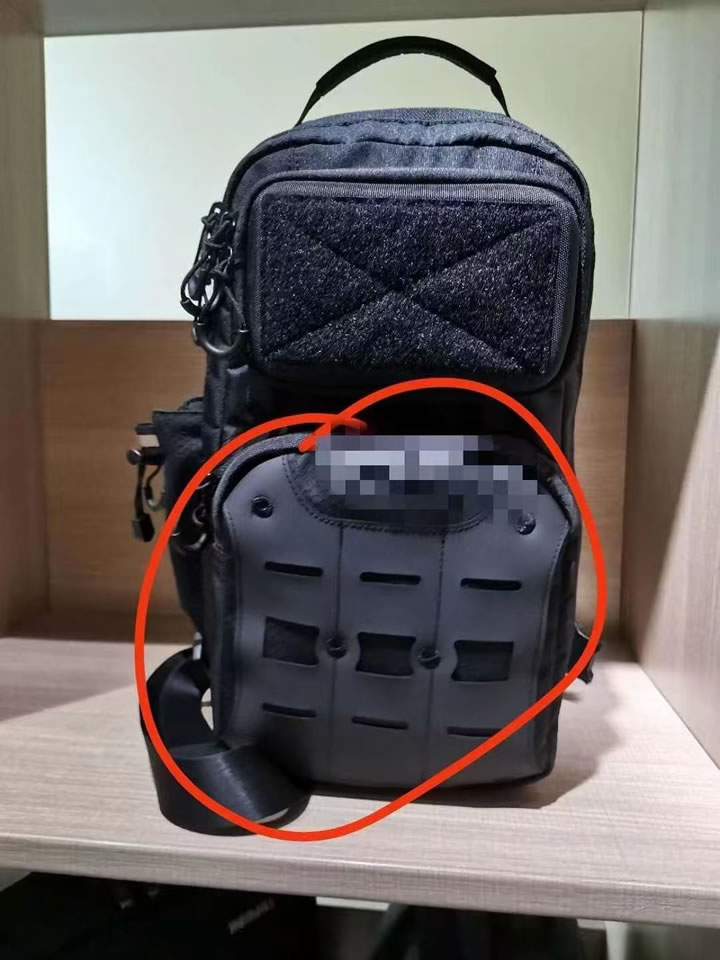
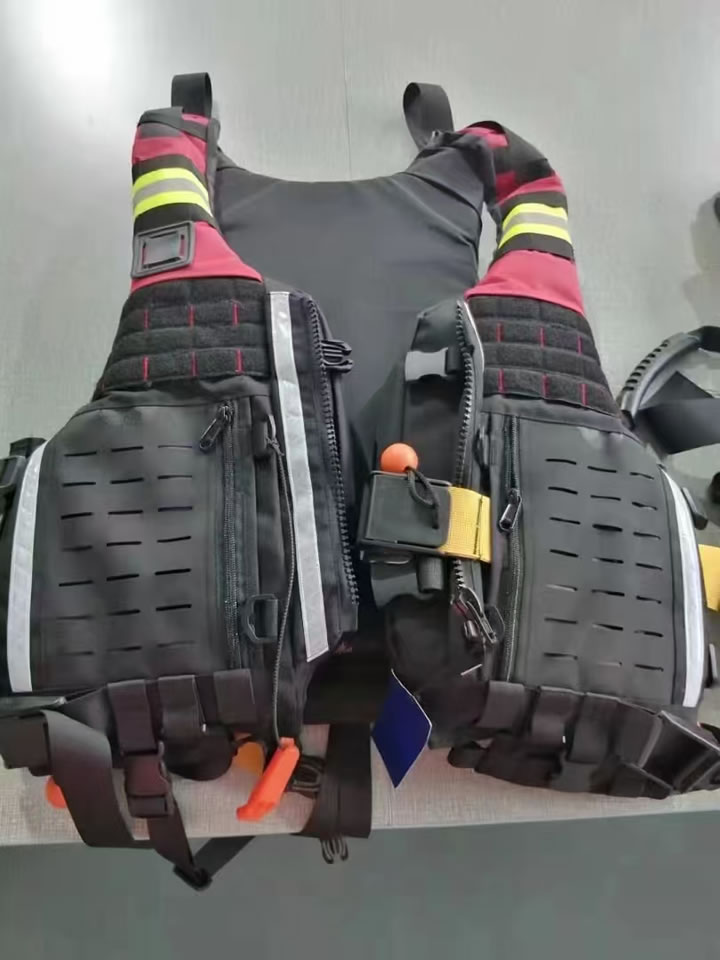
Hypalon fabric firefighter/rescue team tool backpack application
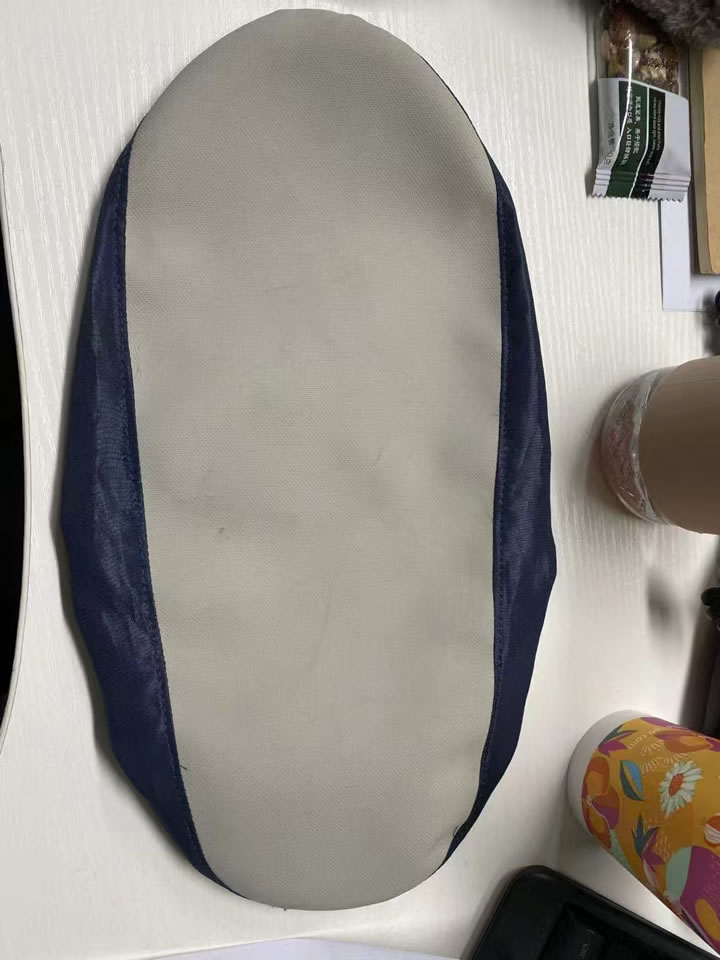
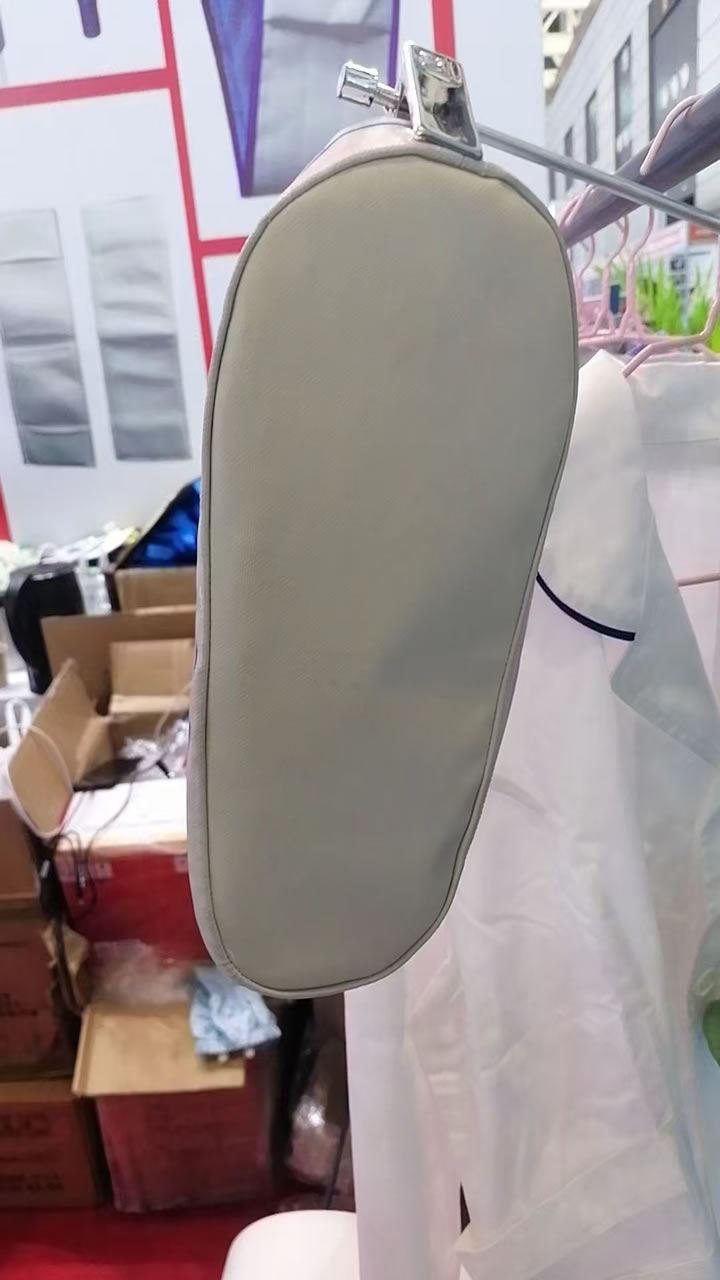
Hypalon fabric advanced medical shoe cover material application
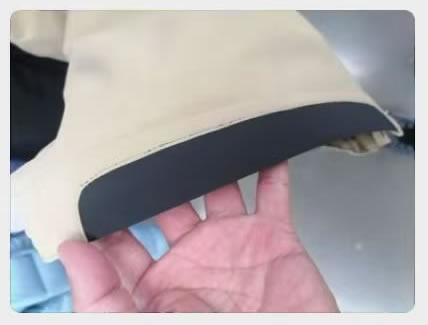
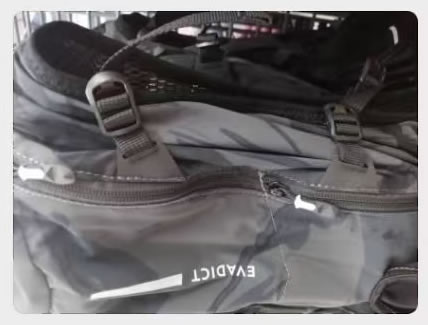
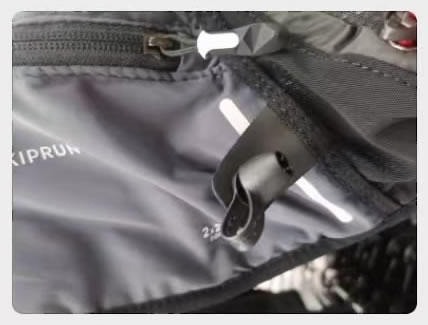
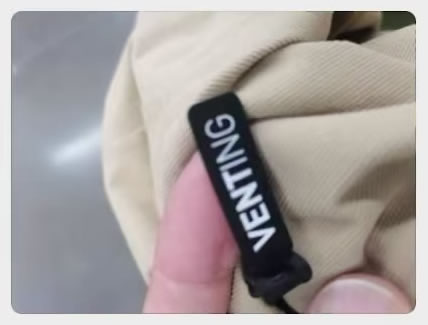
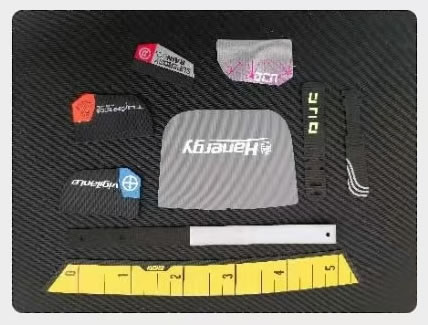
Hypalon fabric clothing accessories application
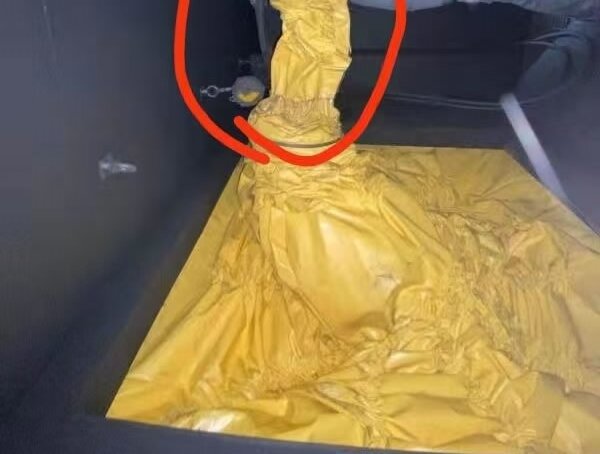
Hypalon fabric sports pad application
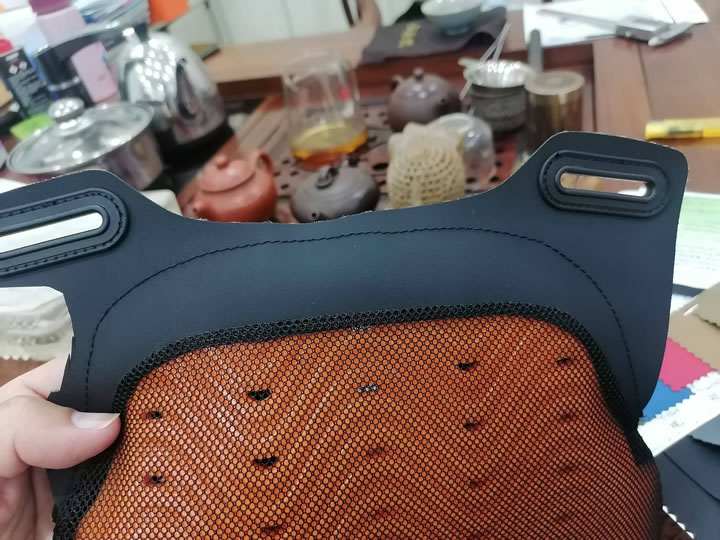
Hypalon fabric sports pad application
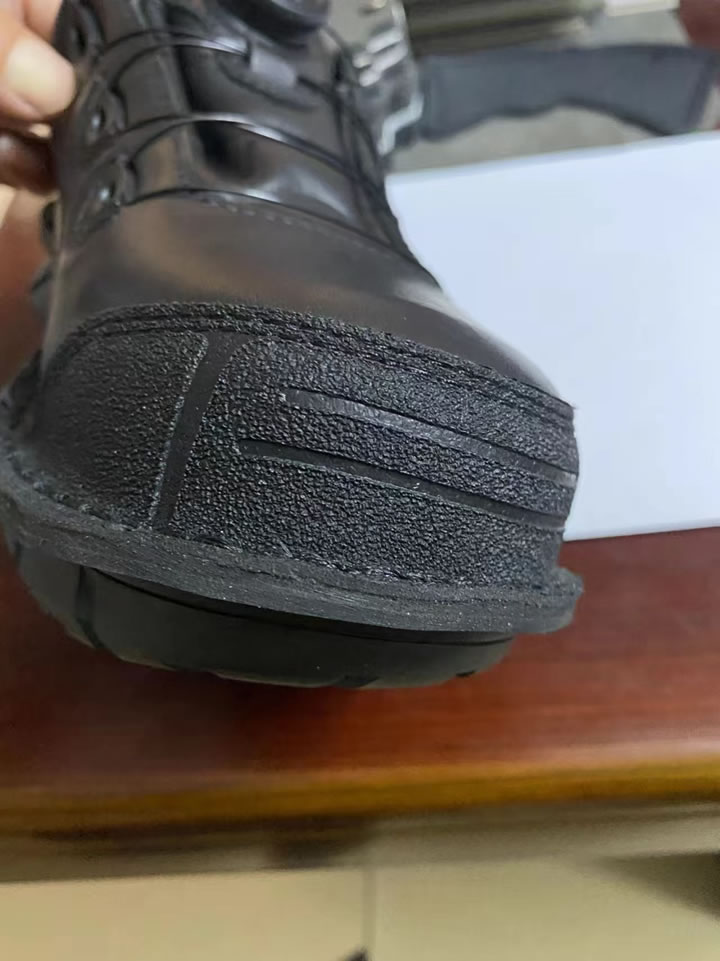
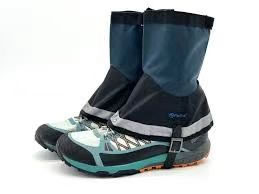
Application of Hypalon fabric strong acid and alkali protective clothing
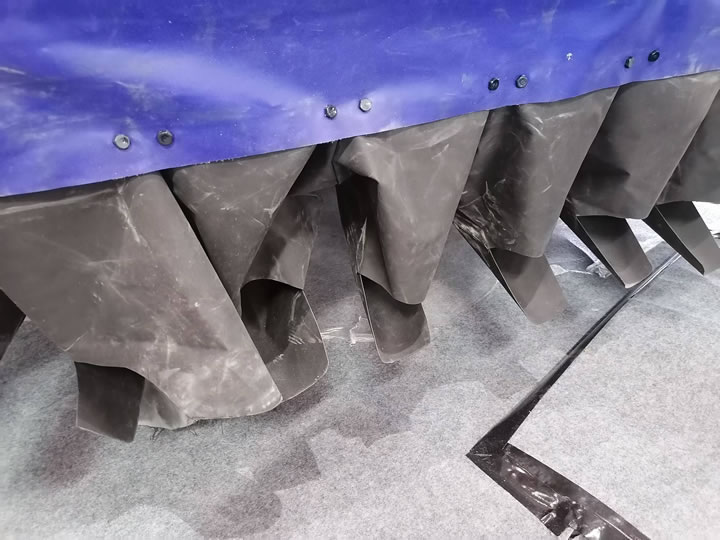
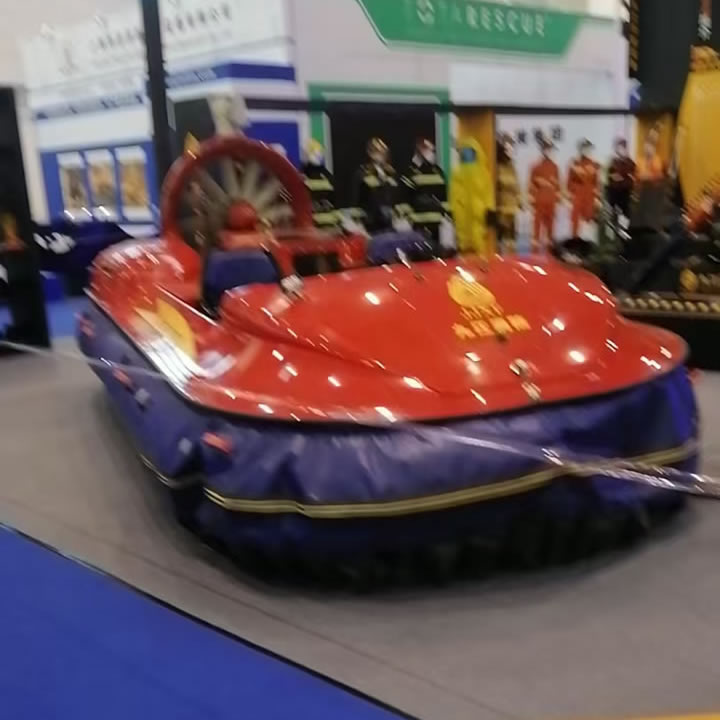
Application of Hypalon Fabric in the Skirts of Bison Aircushion Boats
Hypalon - Chlorosulfonated polyethylene rubber, a polymer first industrialized by DuPont in 1952, is a synthetic rubber. This material has been on the market for quite a while. But before entering the field of individual equipment, as a common synthetic rubber, it has been widely used in various automotive hoses, hoses, compound rubbers, special rubber rollers, seals, wires and cables, anti-corrosion coatings, waterproof rolls, special adhesive tapes, adhesives and other special rubber products. Some of the Hypalon materials with lower grades and better fluidity are even used in coatings.
Compared with common synthetic rubbers, Hypalon has excellent ozone resistance, atmospheric aging resistance, and chemical corrosion resistance. It also has good physical and mechanical properties, heat aging resistance, low temperature resistance (-20℃—120℃), oil resistance, flame resistance, wear resistance and electrical insulation. For the heat aging and ultraviolet aging problems above 120 degrees that this synthetic rubber is not good at, it can often be improved by adding stabilizers and composite fiber layers when preparing finished materials.
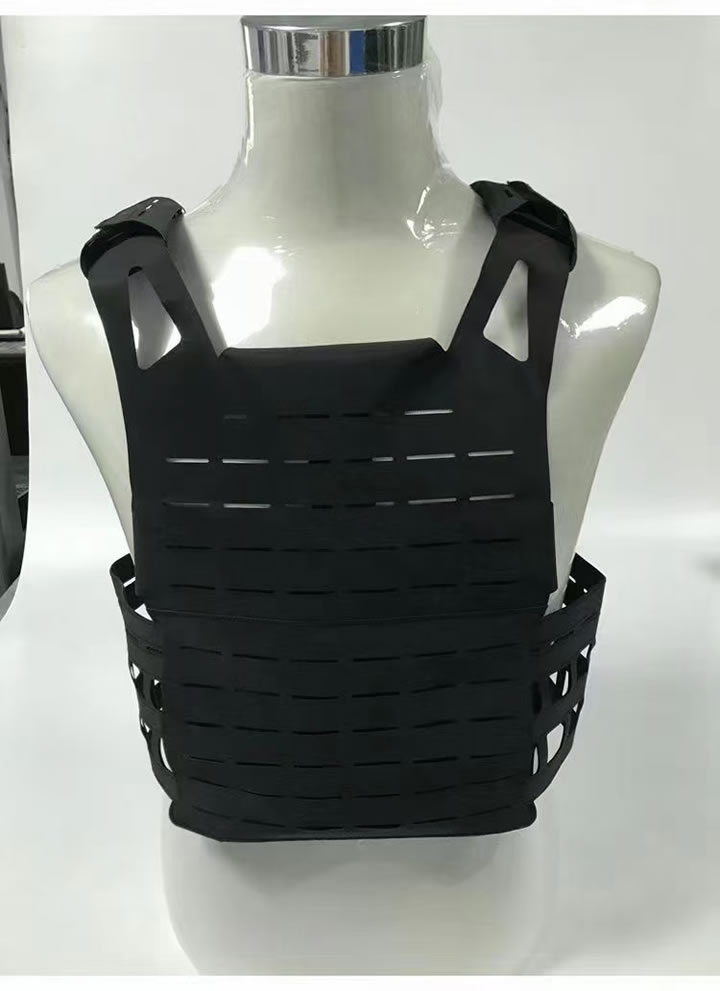
I have not verified the earliest case of Hypalon being used in tactical vests and bags, but the widespread use of this material in tactical vests has to be mentioned with JPC.
JPC—‘Jumpable Plate Carrier’ The name tells you its characteristics: this is a tactical vest that allows parachuting. There are many requirements for the armed scheme that allows parachuting, but there are two that will never change: high strength and light weight. The JPC launched by CP in 2012 is outstanding in weight even as a PC (hard plate vest) with a natural weight advantage: a tactical vest weighing less than one pound. The shoulder straps are made of Hypalon material. It is precisely because of this advantage of parachuting that JPC is welcomed by the US Air Force Pararescue Jumpers. After all, anyone will feel more at ease if they can land with basic weapons and protection...
Of course, the Hypalon material used in the finished tactical vest is not a single synthetic rubber plate belt, but a composite material with multiple layers of fiber mesh and various necessary stabilizers added. Such composite treatment can greatly improve the tear resistance and service life of Hypalon materials, and at the same time overcome a very embarrassing problem for Hypalon - no camouflage.
As a synthetic rubber, Hypalon is very difficult to print and dye, and it is among the best even among synthetic rubbers. Therefore, Hypalon is also often used to manufacture liquid storage bladders (Hypalon is also non-toxic) and kayaks with extremely high strength and adhesion resistance requirements. Whether it is thermal transfer, water transfer or direct spraying, it is impossible to make camouflage on the surface of Hypalon. Therefore, when improving its performance by composite nylon cloth on the surface of Hypalon, only camouflage nylon cloth is needed to make camouflage.
Good design compatibility, the possibility of greatly reducing the weight of the system, and the compatibility with processes such as laser cutting make Hypalon composites the most likely technical path to replace the webbing molle system in the future. The latest tactical vest solution adopted by the Singapore military uses a large number of Hypalon composites + laser cutting processes, which greatly reduces the weight of individual equipment and improves the mobility of individual soldiers in terms of volume and weight factors. At present, brands such as SOG and Mima have already integrated Hypalon materials into their designs in a relatively stable manner, and have achieved good results in terms of aesthetics and durability.